Water Workforce Toolbox


Empowering Our People

Overview


Telecommunications infrastructure is increasingly being installed on, within, or adjacent to critical water infrastructure such as reservoirs, water towers and operational sites.

While improved telecommunications connectivity provides benefits for communities, the deployment of telecommunications facilities on water assets can create significant risks for drinking water quality, public health, worker safety, asset integrity and operational continuity.

This Toolbox brings together qldwater's advocacy work, template agreements, guidance documents, sample correspondence and industry resources to help Queensland water service providers manage telecommunications proposals and existing installations on water infrastructure.

Why this matters


qldwater has worked extensively with members, QWRAP regions and government agencies to highlight concerns arising from telecommunications infrastructure on water assets.

Telcos on Towers

The sector has identified several key risks:

  • Damage to critical water infrastructure during telecommunications installation and maintenance activities.
  • Workplace health and safety risks for water industry personnel, including electromagnetic emissions (EME) exposure and unsafe site conditions.
  • Drinking water quality risks resulting from asset damage or restricted access for inspection, maintenance and cleaning.
  • Additional operational, legal and maintenance costs borne by water service providers and ultimately customers.
  • Conflicts between obligations under water legislation and critical infrastructure legislation and carrier powers under the Telecommunications Act 1997.
Key Industry Concerns

  • Regulatory Conflicts: Conflicts between the Telecommunications Act and obligations under the Security of Critical Infrastructure Act (SOCI), public health legislation and workplace health and safety requirements
  • Critical Infrastructure Protection: Water assets are recognised as critical infrastructure, yet telecommunications deployment processes often treat them as standard landholder sites (they are classified as low impact infrastructure under the current legislation). qldwater continues to advocate for additional protections and a stronger ability for water service providers to manage risks associated with telecommunications installations.
  • Asset Integrity and Public Health: Many water assets were not designed to support telecommunications equipment. Installations may impact structural integrity, interfere with maintenance activities and create risks to drinking water infrastructure.
  • Legacy and Redundant Infrastructure: The industry continues to face challenges associated with abandoned, unknown or redundant telecommunications infrastructure that can create safety, operational and maintenance issues.
  • Right of Refusal: A key advocacy position of the water sector is the establishment of a "first right of refusal" for water service providers when telecommunications carriers seek access to critical water infrastructure sites.


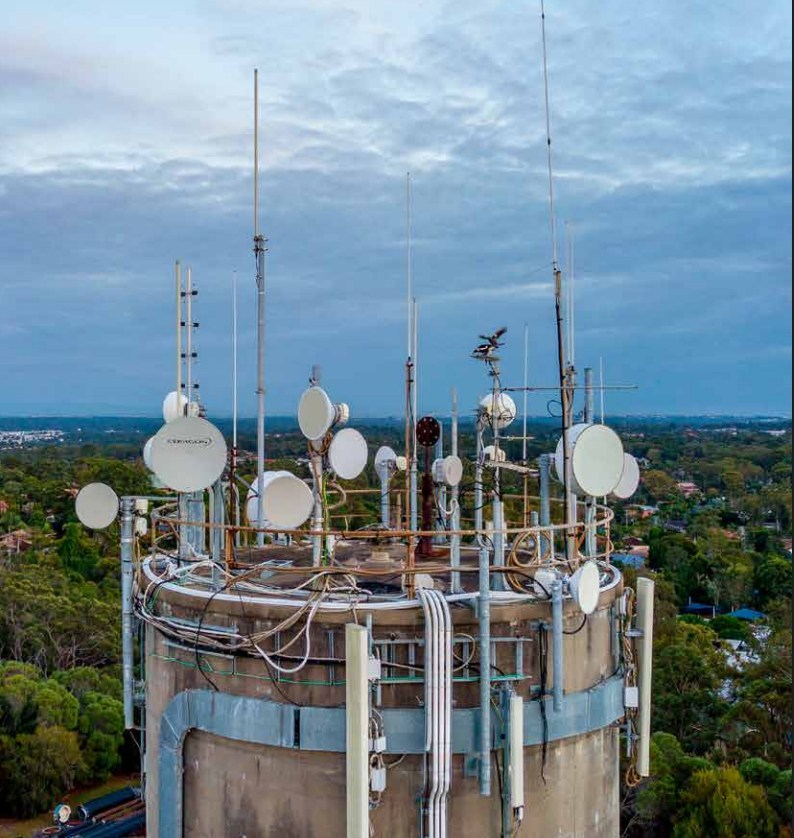
Telcos on water assets


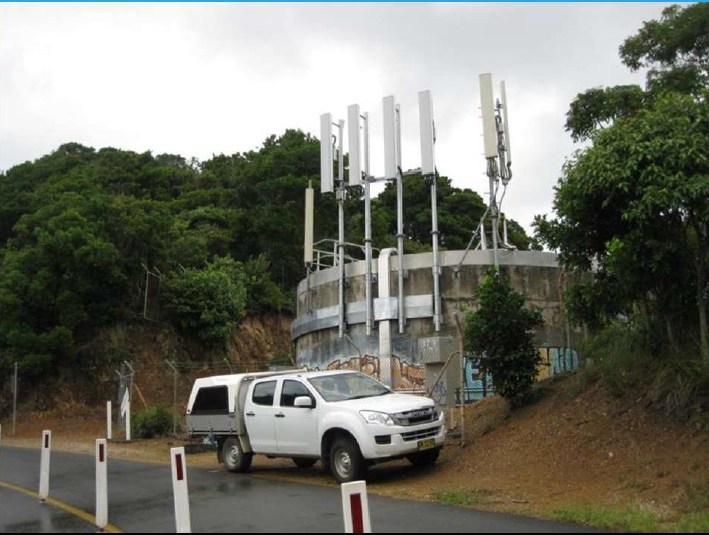
Reservoir with antennas

Reporting Issues and Complaints


qldwater encourages members to formally document and report telecommunications-related issues to regulators. Evidence gathered through formal complaints assists the industry's ongoing advocacy efforts and supports regulatory reform.

Download the ACMA Mobile Phone Base Station Deployment Complaint Form

Use this form to formally report concerns regarding telecommunications infrastructure deployment activities.

Template Agreements and Sample Documents

Template Telco Land Access Agreement (TLAA)

qldwater engaged legal experts to develop a Template Telco Land Access Agreement (TLAA)to assist members when responding to Licensed Carrier Activity Notices (LAANs) and other telecommunications access requests. Water service providers should seek independent legal advice before adopting the template to ensure suitability for individual sites and tenure arrangements.

Download the TLLA here

Important: Additional requirements apply for reserve land under the Land Act 1994 and Land Regulation 2020, including limitations on permit duration, registration requirements and restrictions on structural improvements.

Guidance and Industry Resources


3rd Party Infrastructure on Water Supply Reservoirs Guidelines

3rd Party Infrastructure on Water Supply Reservoirs Guidelines (Volumes 1 and 2) provide comprehensive guidance on managing telecommunications and other third-party infrastructure on water assets. Developed jointly by qldwater and NSW Water Directorate, these documents provide guidance on risk management, approvals, technical considerations and operational practices.

Download Volume 1

Download Volume 2

WIOA WaterWorks Special Feature on Telcos

In November 2019, the Water Industry Operators Association (WIOA) published a special feature on telcos and water assets. It provides a great summary of the regulatory environment, risks every service provider which hosts telecommunications equipment on its infrastructure need to consider, and the process for Low Impact Facilities.

Read the feature here

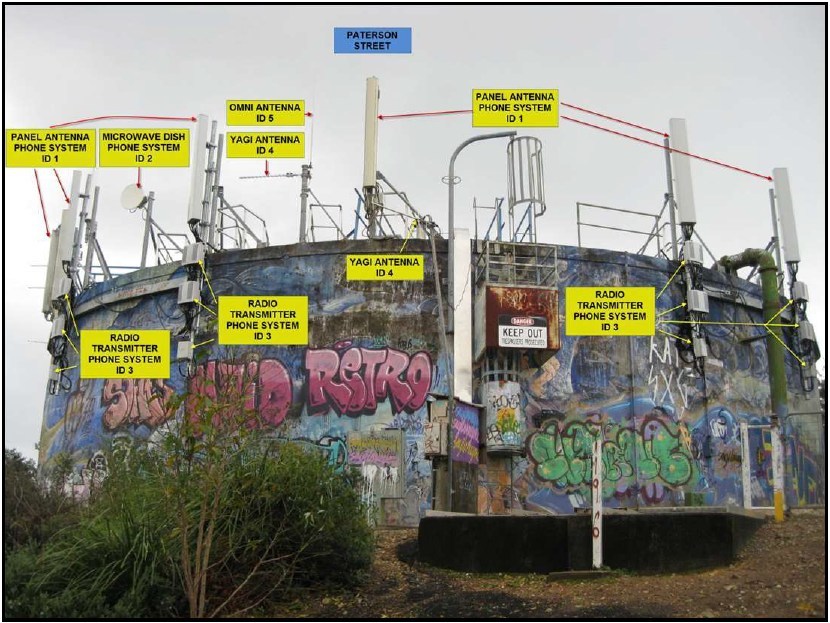
Reservoir with site antennas

Webinars


In April 2024, Carmel Serratore, Principal Consultant at Integrated Legal Solutions presented on the Regulatory Requirements for Telcos on Critical Water Assets

Carmel stepped through the new legal agreement template (Telco Land Access Agreement or TLAA) which has been prepared for qldwater to assist our members when dealing with a licensed carrier seeking to deploy low impact facilities (in particular, under a LAAN pursuant to Schedule 3 of the Telecommunications Act 1997 (Cth)). The TLAA seeks to ensure telecommunication providers and their personnel/contractors meet their legislated (and contractual) requirements whilst protecting the interests and ongoing rights of urban water service providers (WSPs).


In July 2021, Murray Thompson presented The Fundamentals of Telco on Tanks Webinar which provides practical guidance on telecommunications installations and the regulatory framework affecting water utilities.


qldwater Advocacy and Policy Position

qldwater continues to advocate on behalf of Queensland water service providers for:

  • Stronger protections for critical drinking water infrastructure.
  • Resolution of conflicts between telecommunications legislation and critical infrastructure obligations.
  • Improved regulatory oversight and enforcement.
  • Better management of redundant and legacy telecommunications assets.
  • Appropriate engineering certification requirements.
  • Greater ability for water service providers to manage risks and refuse unsuitable installations where public health, safety or operational risks exist.
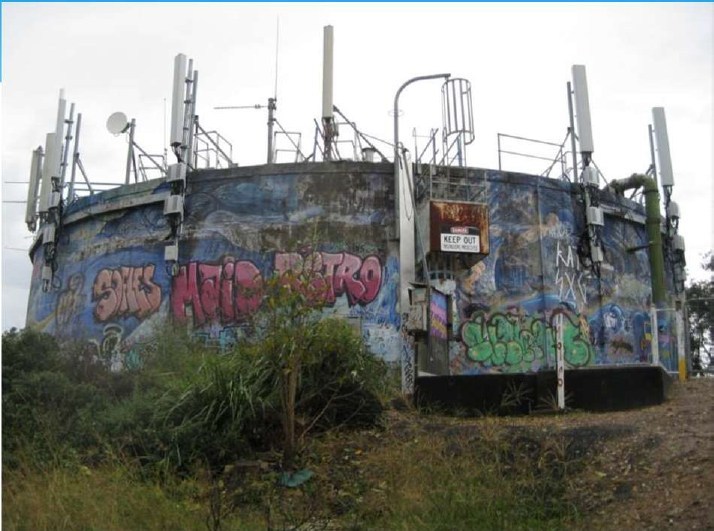
Reservoir site with antennas

qldwater submissions

  • The key message in our Response to “Possible amendments to telecommunications carrier powers and immunities Consultation paper” was that drinking water infrastructure is critical infrastructure and we believe that the proposed amendments will create significant risks nationally to the provision of safe drinking water, together with the ability to adequately maintain and repair critical water supply infrastructure. A mechanism needs to be established to separately categorise drinking water infrastructure in the legislation, with a dialogue built around workable and practical solutions
  • In our Letter to The Hon Michelle Rowland, Minister for Communications, Department of Infrastructure, Transport, Regional Development, Communications and the Arts, we draw urgent attention to several outstanding issues arising from deficiencies in the regulatory framework surrounding telecommunications deployment by telecommunication carriers under the Telecommunications Act 1997 impacting upon the water sector.
  • qldwater ’s Submission to the Australian Energy Infrastructure Commissioner, Community Engagement Review Taskforce draws urgent attention to several outstanding issues arising from the deficiencies in the regulatory legislation framework surrounding telecommunication deployment under telecommunication carriers under the Telecommunication Act 1997 impacting on the water sector.
  • Recent advocacy includes qldwater 's joint correspondence with NSW Water Directorate to the Commonwealth Government highlighting deficiencies in the current telecommunications regulatory framework and seeking urgent reform to better protect critical water infrastructure.